Outdoor play and learning (OPAL)
No items found.





Outdoor Play (OPAL) - As a school we aim to improve the way we think about and provide opportunities for play. We believe that play is essential for physical, emotional, social, spiritual and intellectual development. The school grounds provide a crucial place for children to experience self-initiated play. We believe that minor poor weather conditions should not restrict the children’s opportunities to play.
To support this, in addition to the uniform requirements above, children will need to have Wellington boots in school and appropriate waterproof clothing. Wellington boots can be any colour and must be waterproof.
They are in addition to school shoes and are to be used outside and not inside the school. Label both boots and bring in a plastic bag so that they can be placed on your child’s peg.
Donations - We are always looking to improve our offer for the children and will occasionally ask for donations from parents. These will be requested on Class Dojo. The items we most need are:
OPAL Stay and Play sessions - These will take place during the Autumn term 2024. This will give parents the opportunity to see play at Lift Anglesey and even take part - transforming you back to simpler times whilst you enjoy exploring our play offer with your children. Further information about these will be shared at the start of the term.
One reason we are carrying out this programme is that childhood has changed and many children no longer get their play need met out of school.
There are many proven benefits for schools which carry out the OPAL Programme. They usually include: more enjoyment of school, less teaching time lost to disputes between children, less accidents and greatly improved behaviour.

Don’t underestimate the value of play. Children learn and develop:
Play helps children grow strong and healthy. It also counteracts obesity issues facing many children today.
Play helps your children grow emotionally. It is joyful and provides an outlet for anxiety and stress.
Play is simple and complex. There are many types of play: symbolic, sociodramatic, functional, and games with rules-–to name just a few. Researchers study play’s many aspects: how children learn through play, how outdoor play impacts children’s health, the effects of screen time on play, to the need for recess in the school day.
As parents, you are the biggest supporters of your children’s learning. You can make sure they have as much time to play as possible during the day to promote cognitive, language, physical, social, and emotional development.
They are not separate activities. They are intertwined. Think about them as a science lecture with a lab. Play is the child’s lab.
Remember your own outdoor experiences of building forts, playing on the beach, sledding in the winter, or playing with other children in the neighbourhood. Make sure your children create outdoor memories too.
There’s a lot written on children and play. Here are some NAEYC articles and books about play. David Elkind’s The Power of Play (Da Capo, 2007 reprint) is also a great resource.
Remember as a child how play just came naturally? Give your children time for play and see all that they are capable of when given the opportunity.
Children practice and reinforce their learning in multiple areas during play. It gives them a place and a time for learning that cannot be achieved through completing a worksheet. For example, in playing restaurant, children write and draw menus, set prices, take orders, and make out checks. Play provides rich learning opportunities and leads to children’s success and self-esteem.
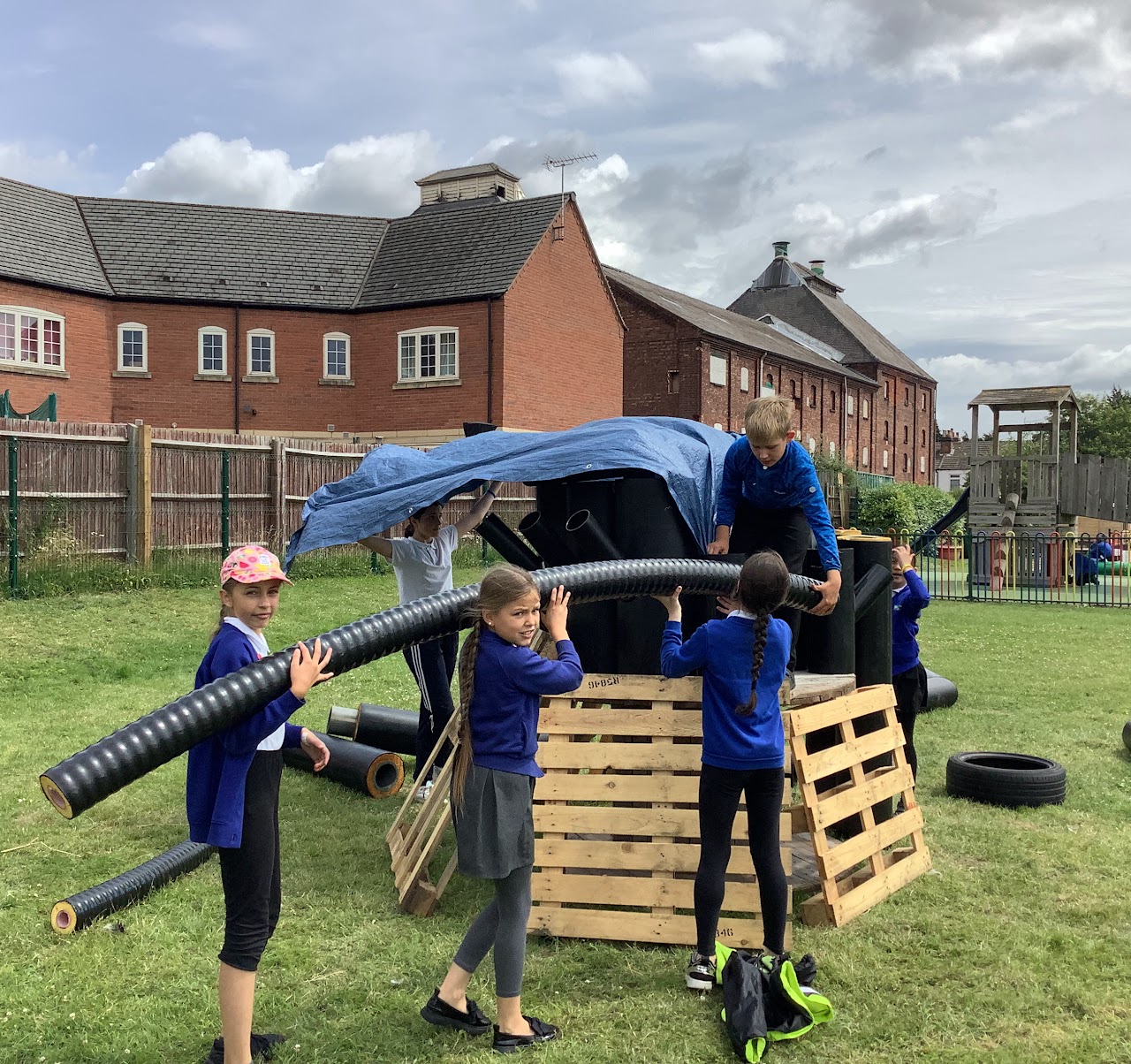
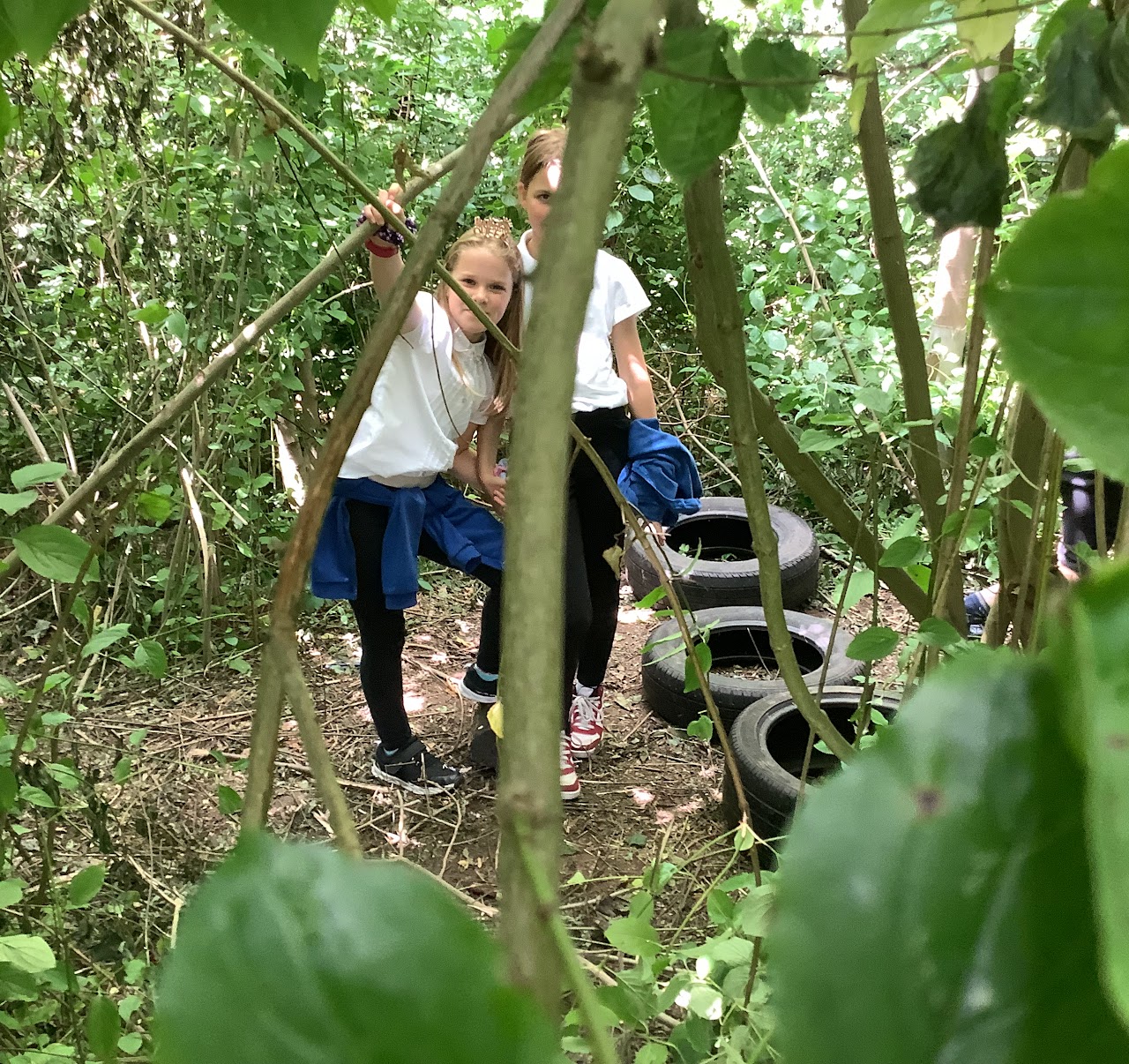
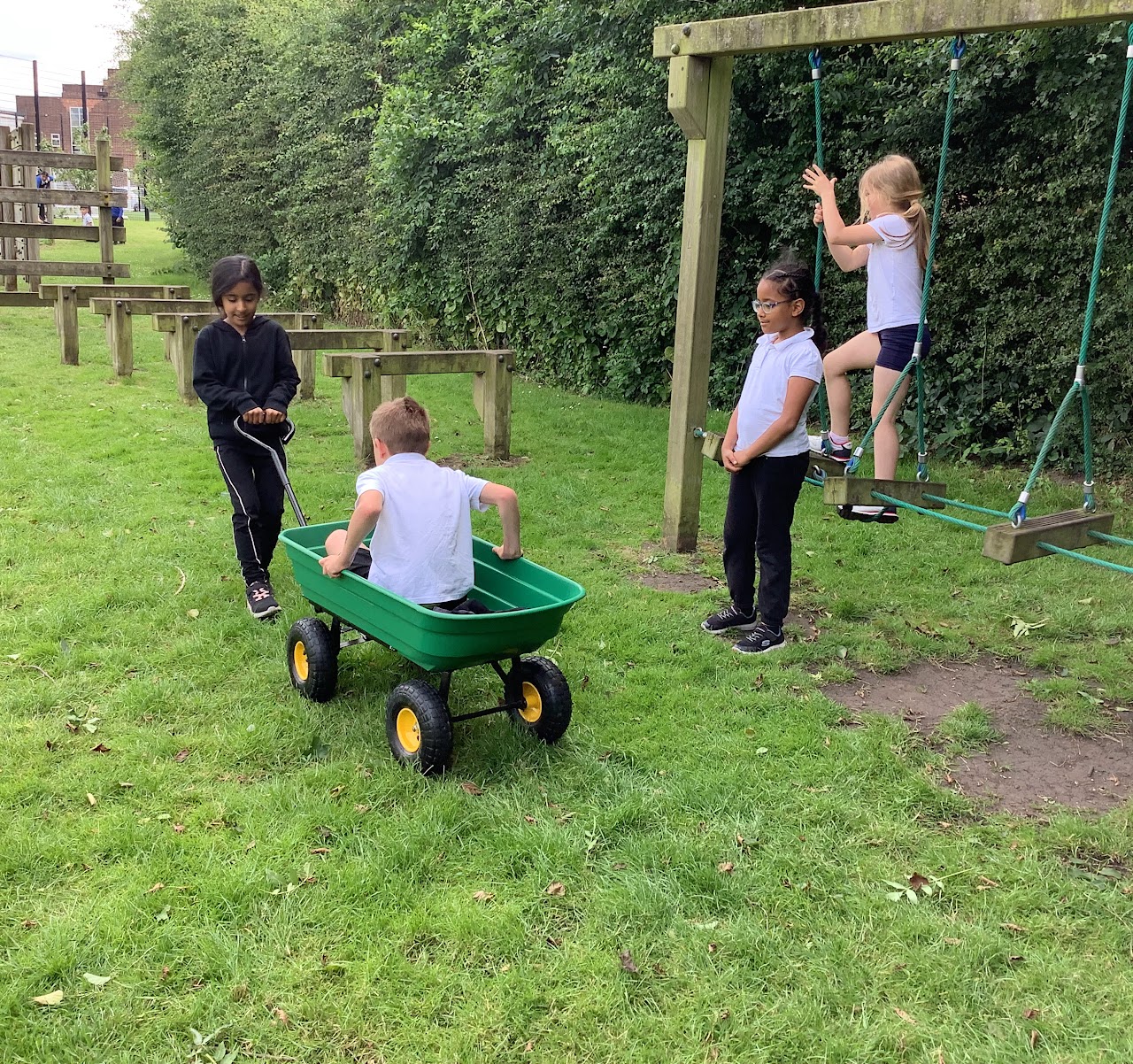
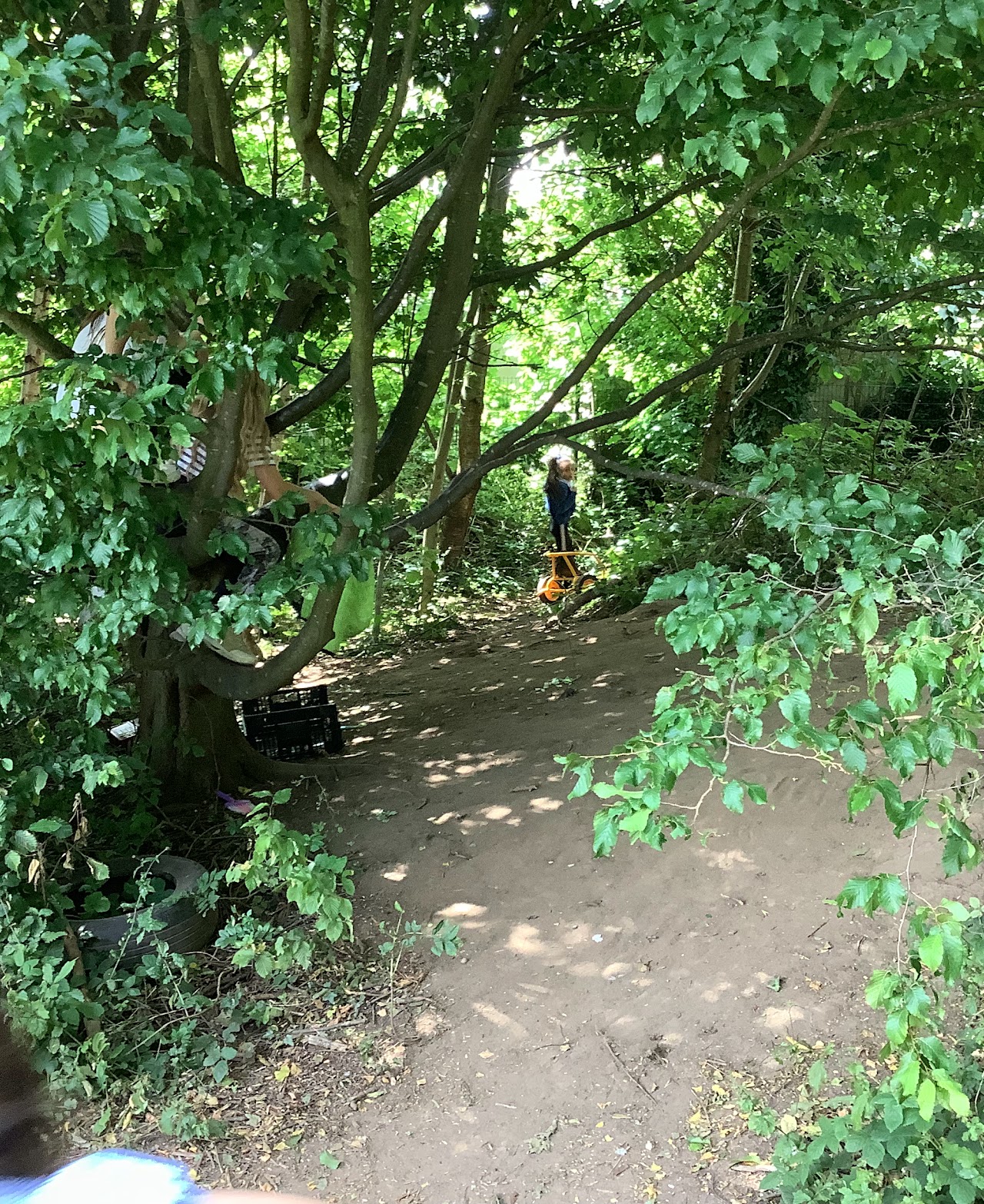
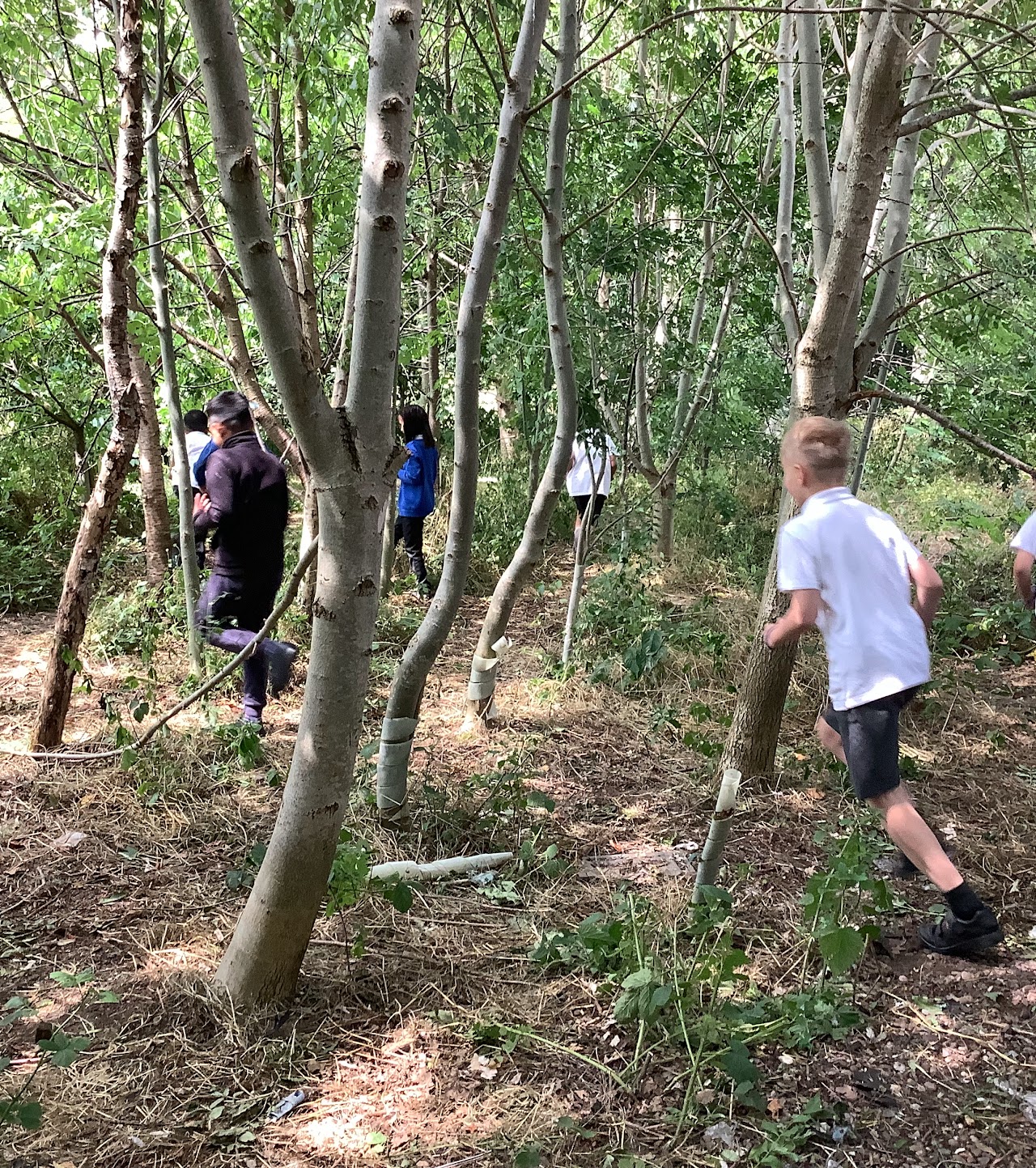
Play is not messing about. It is the process evolution has come up with to enable children to learn all of the things that cannot be taught, while also feeling like it is fun. There are certain things children must have in order to be able to play. These include:
As the school improves play opportunities for your children, you may find the school is asking you for resources and is making changes about how the children use the school grounds. They may use more of the grounds, for more of the year. Your children may get a bit messier, be exposed to more challenges and have greater freedoms to play where, with whom and how they like. The experiences the school is fostering are essential for children’s physical and mental well-being and healthy and in line with all current good practice advice on health safety, well-being and development.
You will be able to learn all about OPAL and watch several videos about the programme on their website
www.outdoorplayandlearning.org.uk.




Lift Anglesey,
Clarence Street,
Burton Upon Trent
Staffordshire,
DE14 3LG